

Getting a business loan is hard for small and mid-sized businesses. Lenders have strict criteria, and knowing what they look at improves your odds. A lender has one question to answer: will this business pay the money back on time? Every document on your application feeds that answer.
At Boundless AI, we work with 180+ lenders across Canada and the US through one application. That gives us a close look at how many different lenders read the same file. Here is what they look at, and what you can do before you apply.
1. Revenue
2. Time in business
3. Financial statements and cash flow
This is where most files are won or lost. Lenders assess your financial health through income statements, balance sheets and cash flow statements. Income statements show your earnings and expenses. Balance sheets list what you own, what you owe and your equity. Cash flow statements show how much cash the business generates and whether it covers expenses.
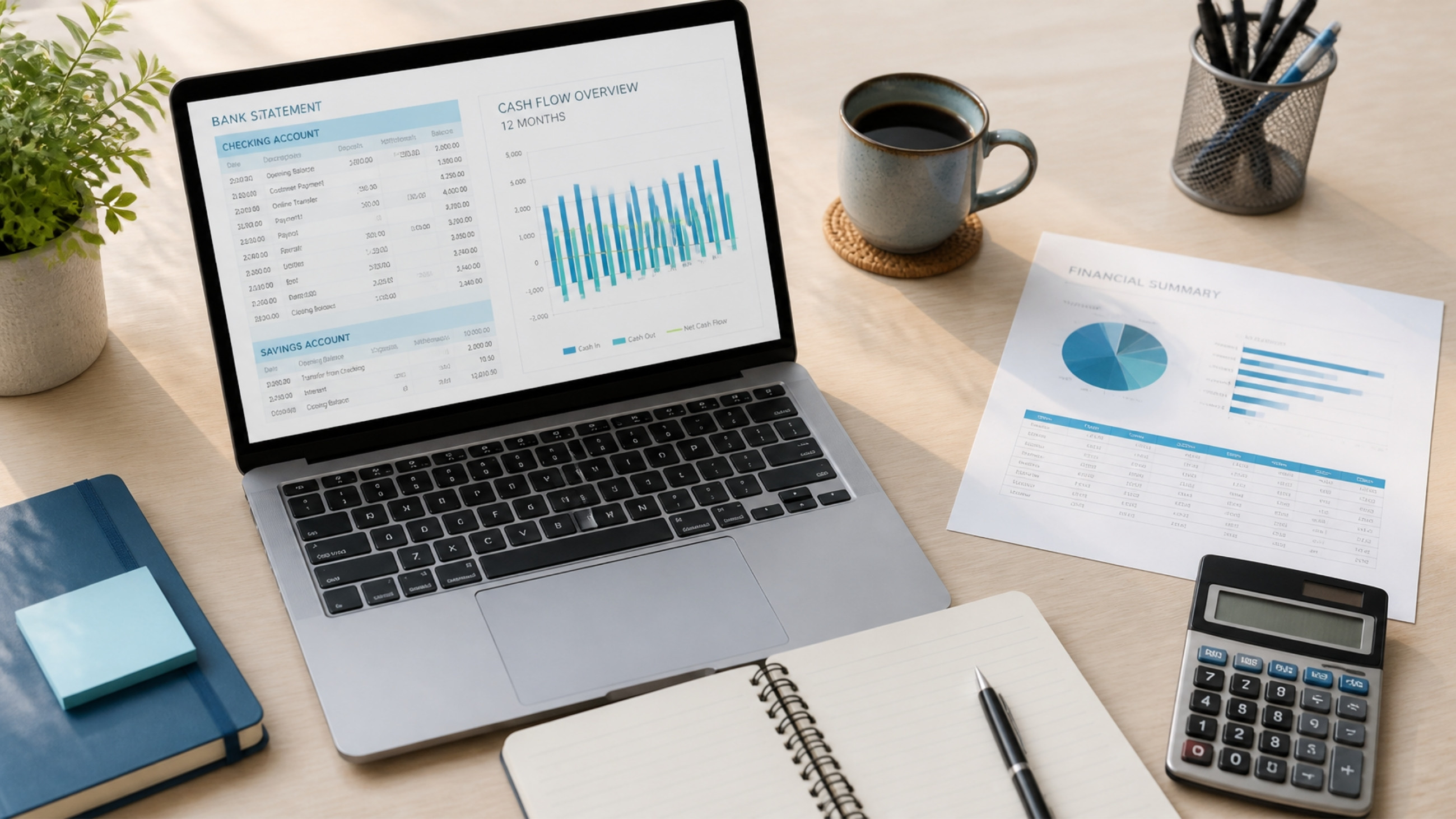
Most lenders require financial statements for loans over $200K. For cash flow based loans, lenders read the deposits and revenue in your bank statements, line by line. Have statements ready for every business account. Overdrafts, negative balances and returned payments hurt. A healthy average daily balance helps. Clean those up for a few months before you apply and your file reads very differently.
4. Credit
5. Existing debt
6. Business plan and use of funds
7. Collateral and guarantees
8. Industry
How to prepare
- Gather three to six months of bank statements for every business account.
- Have your latest financial statements and tax filings ready.
- List every current debt with its balance and monthly payment.
- Write one clear sentence on what the funds are for and how they pay back.
- Fix avoidable red flags, such as overdrafts, where you can.
Have your documents ready before you apply. It saves time and makes a strong first impression. A complete file moves faster and reaches more lenders, since each one can say yes or no without chasing you for missing pieces.
How Boundless can help
Frequently asked questions
What do lenders look at first?
Most start with revenue and bank statement cash flow. Credit and existing debt come next.
Do lenders require financial statements?
Most lenders require them for loans over $200K. For smaller cash flow based loans, bank statements often carry the review.
Can I get financing with a low credit score?
Yes. Some lenders put more weight on revenue and cash flow than on the score. Expect higher pricing than a stronger profile would get.
How long should my business be operating?
Lenders prefer at least six months of revenue. Some work with businesses under a year old. Banks often want two years or more.
Does applying to several lenders hurt my credit?
Through a marketplace, one application reaches many lenders, so you skip the separate forms. Ask whether a given lender runs a hard credit pull and at what stage.
How is Boundless AI different from a bank?
We match your business with lenders from our network, so you compare offers from one application.
Ready to Get Started?
Join thousands of businesses that have found their perfect funding match with Boundless AI. Get connected with the right lenders in minutes.